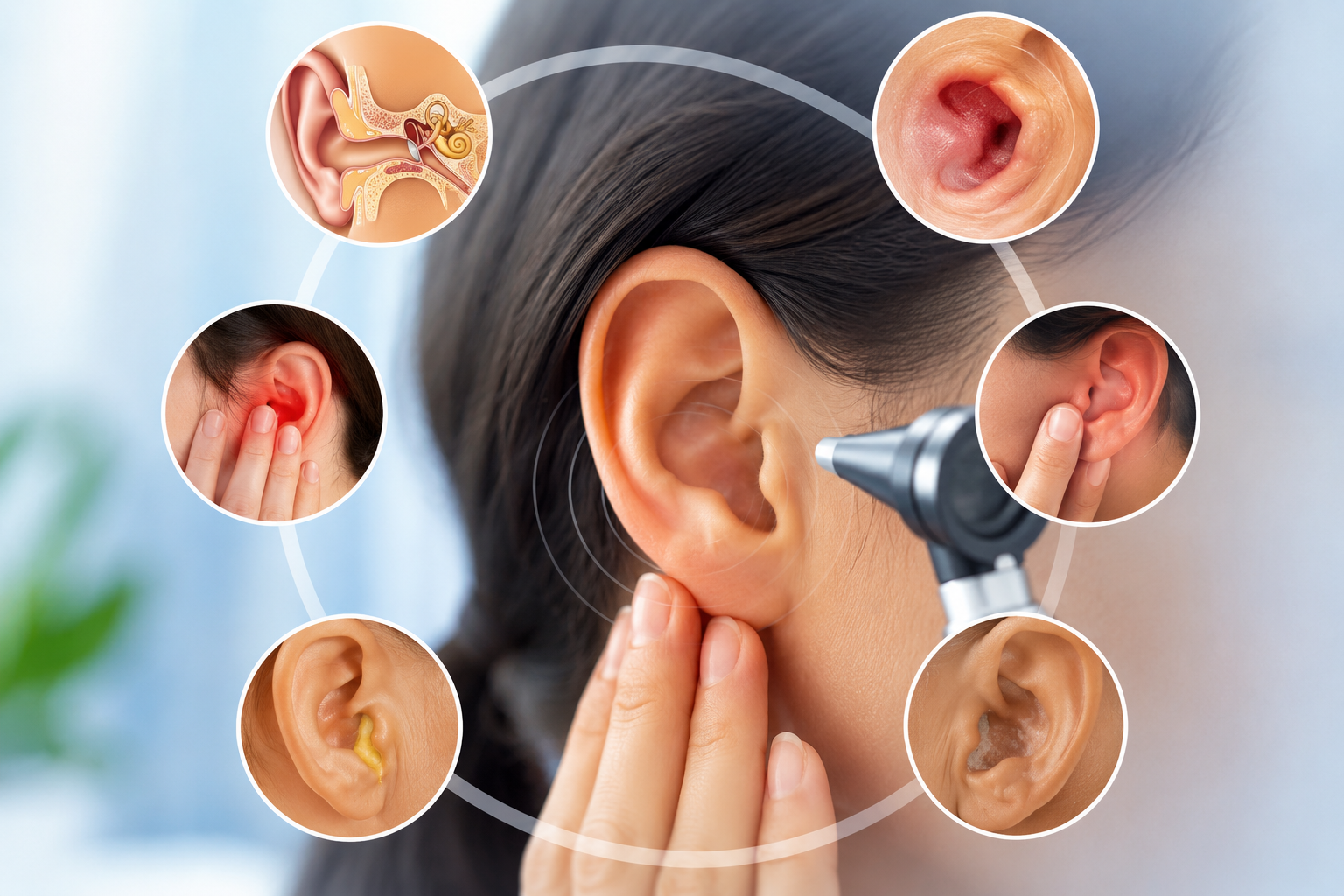
Ear problems are very common and can affect people of all ages. Some ear conditions may cause mild discomfort, while others can lead to hearing loss, pain, dizziness, or infection if left untreated. Understanding the symptoms and treatment options can help patients seek medical care at the right time.
At Serenity Neuropsychiatry Clinic, patients receive expert guidance and compassionate care from Dr. Manish Borasi. Early diagnosis and proper treatment are important to prevent long-term complications related to ear health.
What Are Ear Problems?
Ear problems include infections, hearing difficulties, blockage, balance disorders, and other conditions that affect the ear’s normal function. The ear is responsible not only for hearing but also for maintaining body balance.
Common ear issues can affect:
- Outer Ear
- Middle Ear
- Inner Ear
Some conditions develop suddenly, while others progress slowly over time. Therefore, recognizing symptoms early is very important.
Common Ear Problems
1. Ear Infection
Ear infections are among the most common ear problems, especially in children. They usually occur due to bacteria or viruses.
Common Symptoms
- Ear pain
- Fever
- Fluid discharge from the ear
- Difficulty hearing
- Irritability in children
Best Treatment Options
- Antibiotics if bacterial infection is present
- Pain relief medications
- Ear cleaning procedures
- Warm compress for pain relief
In severe or repeated infections, minor procedures may be recommended by specialists.
2. Hearing Loss
Hearing loss can happen gradually or suddenly. It may occur due to aging, infections, loud noise exposure, or nerve-related conditions.
Types of Hearing Loss
- Conductive Hearing Loss
- Sensorineural Hearing Loss
- Mixed Hearing Loss
Common Symptoms
- Difficulty understanding conversations
- Frequently increasing TV volume
- Ringing sound in the ears
- Trouble hearing in crowded places
Best Treatment Options
- Hearing aids
- Earwax removal
- Medications for infections
- Surgery in selected cases
- Hearing rehabilitation therapy
Early evaluation improves treatment success significantly.
3. Earwax Blockage
Earwax protects the ears naturally. However, excessive buildup can block the ear canal and affect hearing.
Symptoms
- Ear fullness
- Reduced hearing
- Itching
- Mild pain
- Dizziness
Best Treatment Options
- Professional ear cleaning
- Ear drops to soften wax
- Microsuction procedures
Avoid inserting cotton buds or sharp objects into the ears because they may worsen blockage.
4. Tinnitus (Ringing in the Ears)
Tinnitus is the sensation of hearing ringing, buzzing, or humming sounds without an external source.
Causes
- Noise exposure
- Stress and anxiety
- Ear infections
- Hearing loss
- Certain medications
Best Treatment Options
- Treating underlying ear conditions
- Sound therapy
- Stress management
- Counseling support
- Hearing aids when required
Managing stress can also reduce tinnitus symptoms in many patients.
5. Vertigo and Balance Disorders
The inner ear helps maintain body balance. Problems in this area can lead to dizziness or spinning sensations.
Common Symptoms
- Feeling that surroundings are spinning
- Loss of balance
- Nausea and vomiting
- Difficulty walking
Best Treatment Options
- Medications for dizziness
- Vestibular rehabilitation exercises
- Lifestyle modifications
- Treatment for inner ear infections
Proper diagnosis is important because vertigo may sometimes be confused with neurological problems.
6. Swimmer’s Ear
Swimmer’s ear is an infection of the outer ear canal caused mainly by moisture buildup.
Symptoms
- Ear itching
- Pain while touching the ear
- Swelling
- Fluid discharge
Best Treatment Options
- Antibiotic ear drops
- Keeping the ear dry
- Pain management
- Cleaning of infected debris
Patients should avoid swimming until recovery is complete.
7. Eardrum Perforation
A hole or tear in the eardrum may develop due to infection, injury, or loud sounds.
Symptoms
- Sudden ear pain
- Hearing difficulty
- Ear discharge
- Ringing sounds
Best Treatment Options
- Antibiotics if infection is present
- Keeping the ear dry
- Observation for natural healing
- Surgical repair in severe cases
Timely treatment helps restore hearing and prevents complications.
Causes of Ear Problems
Several factors may increase the risk of ear conditions.
Common Causes Include
- Viral or bacterial infections
- Excessive earwax
- Exposure to loud noise
- Allergies and sinus infections
- Injury to the ear
- Poor ear hygiene
- Smoking and pollution
In addition, untreated colds and throat infections may also affect ear health.
When Should You See a Doctor?
Many people ignore ear symptoms until they become severe. However, early treatment can prevent long-term damage.
You should consult a specialist if you experience:
- Persistent ear pain
- Hearing loss
- Ear discharge
- Severe dizziness
- Ringing in the ears
- Recurrent infections
- Balance problems
Seeking medical advice early can improve recovery outcomes.
Diagnosis of Ear Problems
Doctors use different methods to identify ear conditions accurately.
Common Diagnostic Tests
- Ear examination using otoscope
- Hearing tests (Audiometry)
- Tympanometry
- Imaging scans if needed
- Balance assessment tests
These evaluations help determine the exact cause and best treatment plan.
Best Treatment Options for Ear Problems
Treatment depends on the type and severity of the condition.
Medical Treatments
- Antibiotics
- Antifungal medications
- Pain relievers
- Anti-inflammatory medicines
Surgical Treatments
- Eardrum repair surgery
- Ear tube insertion
- Removal of abnormal growths
Lifestyle and Preventive Care
- Avoid loud noise exposure
- Keep ears dry
- Maintain proper hygiene
- Avoid self-cleaning with sharp objects
Proper follow-up care is also important for complete recovery.
Why Choose Serenity Neuropsychiatry Clinic?
Patients trust Dr. Manish Borasi for compassionate and patient-focused care. The clinic focuses on accurate diagnosis, personalized treatment, and long-term health improvement.
Benefits of Choosing the Clinic
- Experienced medical guidance
- Personalized treatment plans
- Patient-friendly environment
- Advanced diagnostic support
- Comprehensive healthcare approach
Patients receive proper attention and support throughout their treatment journey.
Prevention Tips for Healthy Ears
Preventive care can reduce the risk of many ear problems.
Helpful Tips
- Avoid listening to loud music for long periods
- Do not insert objects into the ears
- Treat colds and allergies early
- Keep ears dry after swimming
- Maintain good hygiene
- Schedule regular hearing checkups
Healthy habits can protect hearing and overall ear health.
Conclusion
Ear problems can affect hearing, balance, and overall quality of life. While some conditions are mild, others may become serious if ignored. Understanding symptoms and seeking timely treatment can prevent complications and improve recovery.
At Serenity Neuropsychiatry Clinic, Dr. Manish Borasi provides compassionate guidance and patient-centered care for individuals dealing with various health concerns. Early diagnosis, proper treatment, and preventive care are the keys to maintaining healthy ears and better well-being.
FAQs
1. What is the most common ear problem?
Ear infections are among the most common ear problems. They can affect both children and adults and may cause pain, fever, and temporary hearing difficulty.
2. Can ear problems cause dizziness?
Yes, inner ear conditions can affect body balance and lead to dizziness or vertigo. Proper medical evaluation is important for accurate diagnosis.
3. Is hearing loss permanent?
Not all hearing loss is permanent. Some cases improve with medications, earwax removal, or surgery, while others may require hearing aids.
4. When should I seek treatment for ear pain?
You should seek medical help if ear pain lasts more than a few days, becomes severe, or is associated with fever, discharge, or hearing loss.
5. How can I keep my ears healthy?
Avoid loud noises, keep ears dry, maintain hygiene, and never insert sharp objects into the ears. Regular checkups also help maintain good ear health.