
Nasal problems such as sinus infections, blocked nose, allergies, and breathing difficulties can affect daily life and overall comfort. In many cases, proper examination of the nasal passages is necessary to identify the exact cause of the problem. One of the most effective diagnostic procedures used today is nasal endoscopy.
Nasal endoscopy is a safe, quick, and minimally invasive procedure that helps doctors examine the inside of the nose and sinuses clearly. It plays an important role in diagnosing and treating many ENT-related conditions.
What is Nasal Endoscopy?
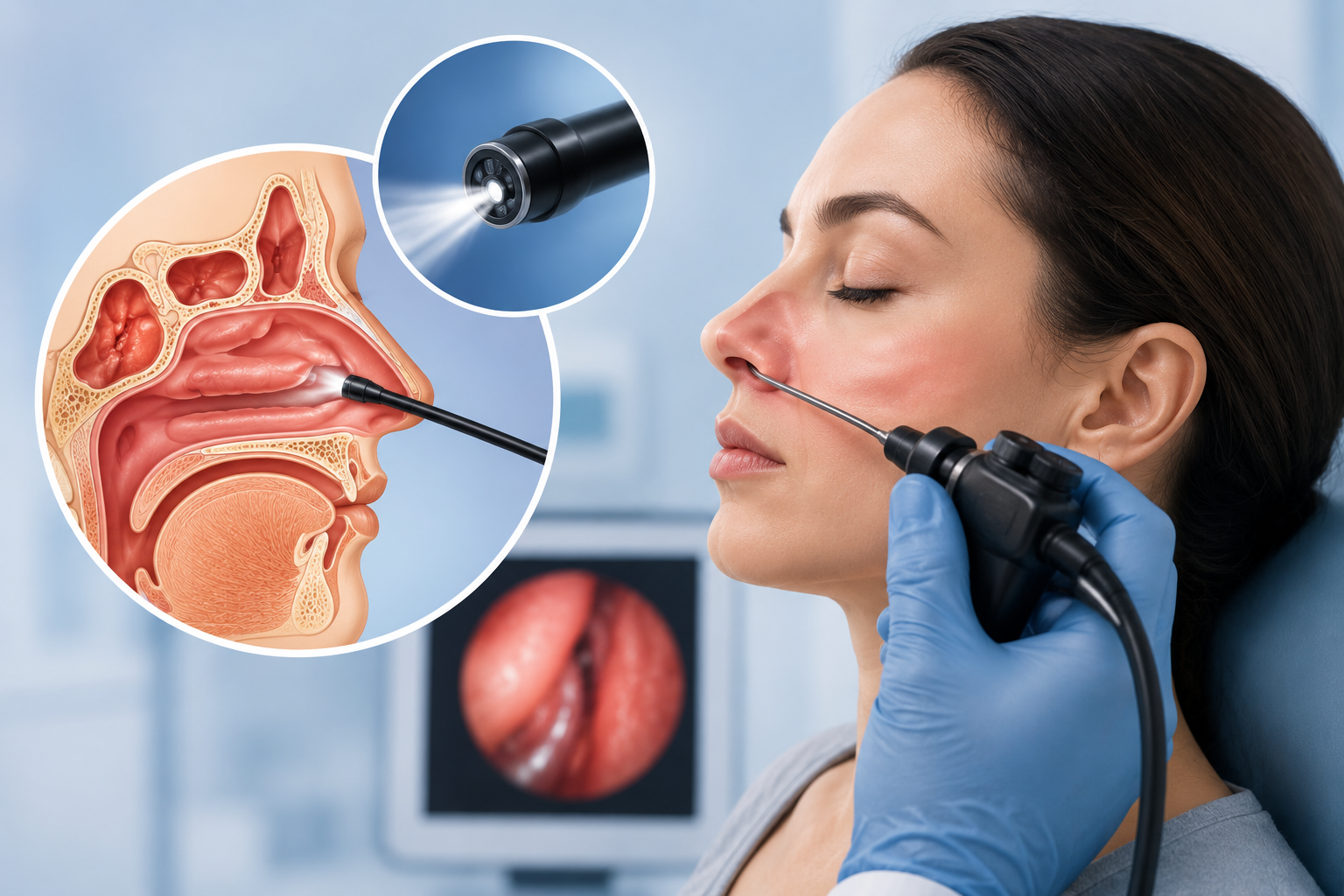
Nasal endoscopy is a procedure in which a thin, flexible tube with a small camera and light is inserted into the nose. This device, called an endoscope, allows doctors to view the nasal passages and sinus openings in detail.
The procedure is usually performed in a clinic and takes only a few minutes. It helps identify problems that may not be visible during a regular physical examination.
Why is Nasal Endoscopy Needed?
Many nose and sinus problems cannot be diagnosed properly through symptoms alone. Therefore, nasal endoscopy helps doctors understand the exact condition and plan the right treatment.
Common Conditions Diagnosed with Nasal Endoscopy
- Sinus infections
- Nasal blockage
- Nasal polyps
- Deviated nasal septum
- Allergies
- Chronic sneezing
- Nose bleeding
- Loss of smell
- Growths or tumors inside the nose
Early diagnosis can help prevent complications and improve treatment results.
Benefits of Nasal Endoscopy for Sinus and Nose Problems
1. Accurate Diagnosis
One of the biggest benefits of nasal endoscopy is accurate diagnosis. The camera provides a clear and detailed view of the nasal cavity and sinus openings.
This helps doctors identify:
- Swelling and inflammation
- Infection inside the sinuses
- Nasal polyps
- Structural abnormalities
- Hidden blockages
As a result, patients receive the most suitable treatment for their condition.
2. Helps Detect Chronic Sinusitis
Chronic sinusitis is a long-term inflammation of the sinuses that may cause:
- Facial pain
- Headache
- Nasal congestion
- Thick mucus discharge
- Difficulty breathing
Nasal endoscopy helps doctors assess the severity of sinus inflammation and determine whether medications or surgery are required.
3. Minimally Invasive Procedure
Nasal endoscopy is a minimally invasive procedure that usually does not require cuts or stitches.
Advantages Include
- Less discomfort
- Quick recovery
- Minimal bleeding
- No hospital stay in most cases
Most patients can return to normal activities shortly after the procedure.
4. Helps in Early Detection of Nasal Polyps and Tumors
Nasal polyps are soft growths inside the nose that can block airflow and affect breathing. In rare cases, abnormal growths may also indicate tumors.
Nasal endoscopy helps detect these conditions early, which improves treatment outcomes significantly.
Early diagnosis is especially important when symptoms persist for a long time.
5. Improves Treatment Planning
Once the exact cause of the problem is identified, doctors can create a personalized treatment plan.
Treatment may include:
- Medications
- Allergy management
- Nasal sprays
- Lifestyle modifications
- Surgery if needed
Therefore, nasal endoscopy reduces unnecessary treatments and improves recovery.
6. Useful for Recurrent Nosebleeds
Frequent nosebleeds may occur due to infections, dryness, allergies, or blood vessel abnormalities.
Nasal endoscopy helps locate the source of bleeding accurately. This allows doctors to provide targeted treatment and prevent repeated episodes.
7. Better Evaluation of Breathing Problems
A blocked nose can affect sleep, breathing, concentration, and overall quality of life.
Nasal endoscopy helps evaluate:
- Deviated nasal septum
- Swollen tissues
- Enlarged turbinates
- Sinus blockage
As a result, patients receive proper treatment for easier breathing.
8. Safe and Quick Procedure
The procedure is generally very safe when performed by trained ENT specialists.
During the Procedure
- A local anesthetic spray may be used
- The endoscope is inserted gently into the nose
- Images are viewed on a screen
- The examination usually takes 5–10 minutes
Most patients experience only mild discomfort.
Who May Need Nasal Endoscopy?
Doctors may recommend nasal endoscopy if patients experience:
- Persistent sinus infections
- Chronic nasal blockage
- Breathing difficulty
- Loss of smell
- Recurrent headaches
- Frequent nosebleeds
- Snoring or sleep-related breathing problems
Patients with long-term symptoms should not ignore these warning signs.
Preparation for Nasal Endoscopy
In most cases, no major preparation is needed.
Patients May Be Advised To
- Avoid heavy meals before the procedure
- Inform the doctor about medications
- Discuss allergy history
- Stay relaxed during the examination
Following medical instructions helps ensure a smooth procedure.
Are There Any Risks?
Nasal endoscopy is generally considered safe. However, minor side effects may occasionally occur.
Possible Mild Side Effects
- Temporary irritation
- Mild bleeding
- Sneezing
- Nasal discomfort
These symptoms usually improve quickly without complications.
Recovery After Nasal Endoscopy
Recovery is usually fast because the procedure is minimally invasive.
Patients Can Usually
- Resume normal activities the same day
- Eat and drink normally afterward
- Continue medications if prescribed
Doctors may provide additional care instructions based on the findings.
Prevention Tips for Sinus and Nose Problems
Maintaining nasal health can reduce the risk of infections and sinus issues.
Helpful Tips
- Stay hydrated
- Avoid smoking and pollution
- Treat allergies early
- Use clean air humidifiers
- Maintain good hygiene
- Avoid excessive dust exposure
Healthy habits support better breathing and sinus function.
Conclusion
Nasal endoscopy is a highly effective and safe procedure for diagnosing sinus and nose problems. It helps doctors identify the exact cause of symptoms and provide accurate treatment. From chronic sinusitis to nasal blockage and recurrent infections, this procedure plays an important role in improving patient care.
Early diagnosis and timely treatment can prevent complications and improve quality of life. Patients experiencing persistent nasal or sinus symptoms should seek professional medical evaluation for proper care and long-term relief.
FAQs
1. Is nasal endoscopy painful?
Nasal endoscopy is usually not painful. Patients may feel mild discomfort or pressure, but the procedure is generally well tolerated.
2. How long does nasal endoscopy take?
The procedure usually takes around 5 to 10 minutes and is commonly performed in an outpatient clinic setting.
3. Can nasal endoscopy detect sinus infections?
Yes, nasal endoscopy helps doctors identify sinus infections, inflammation, mucus buildup, and blockage inside the nasal passages.
4. Is there any recovery time after nasal endoscopy?
Most patients recover immediately and can return to normal activities the same day without major restrictions.
5. Who should undergo nasal endoscopy?
People with chronic sinus problems, blocked nose, breathing difficulty, nosebleeds, or loss of smell may benefit from nasal endoscopy evaluation.